


Nuclear Medicine Technology Lab Installs New Dual-Head Gamma Camera, Expanding Hands-On Learning for Students
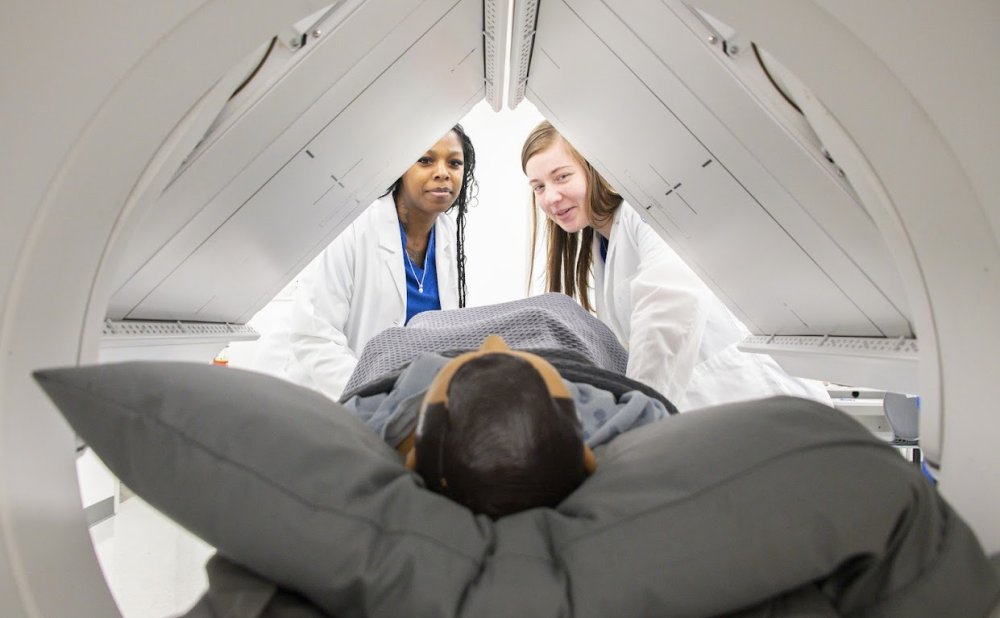
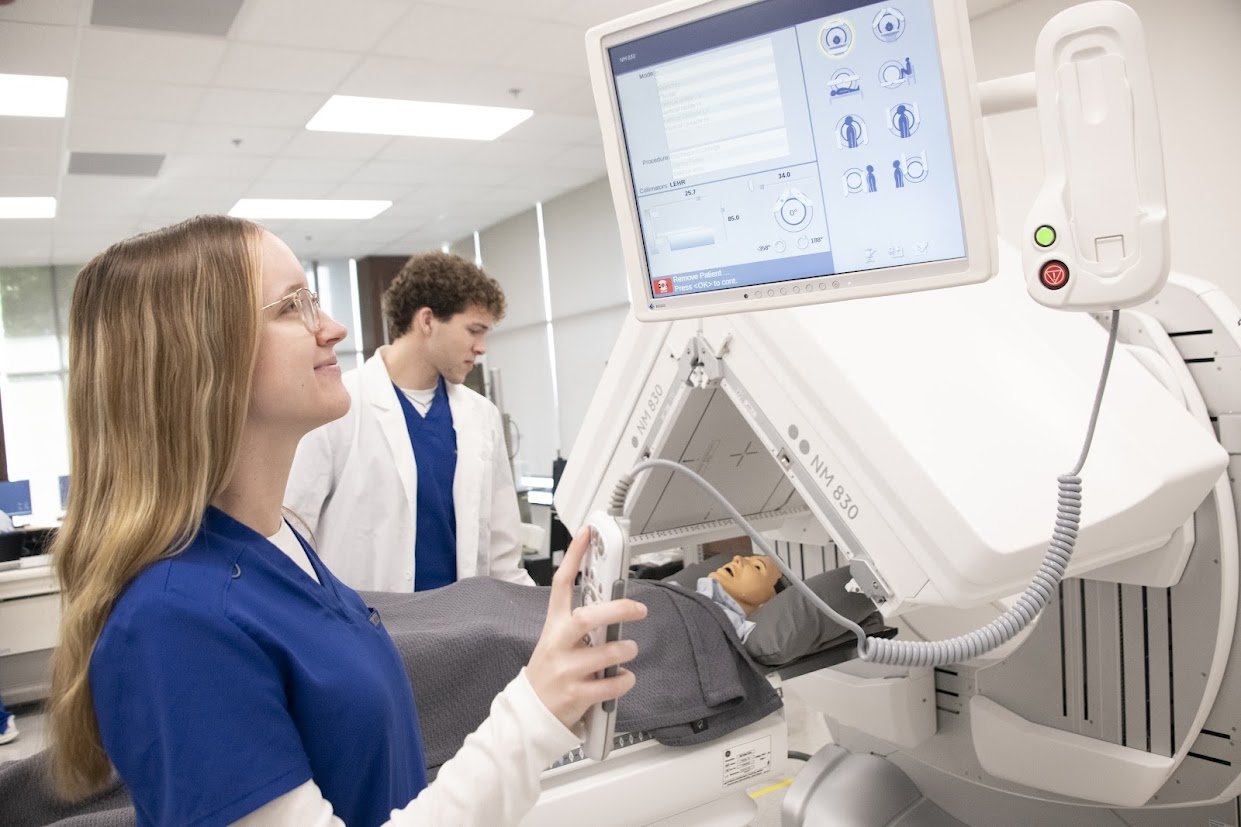
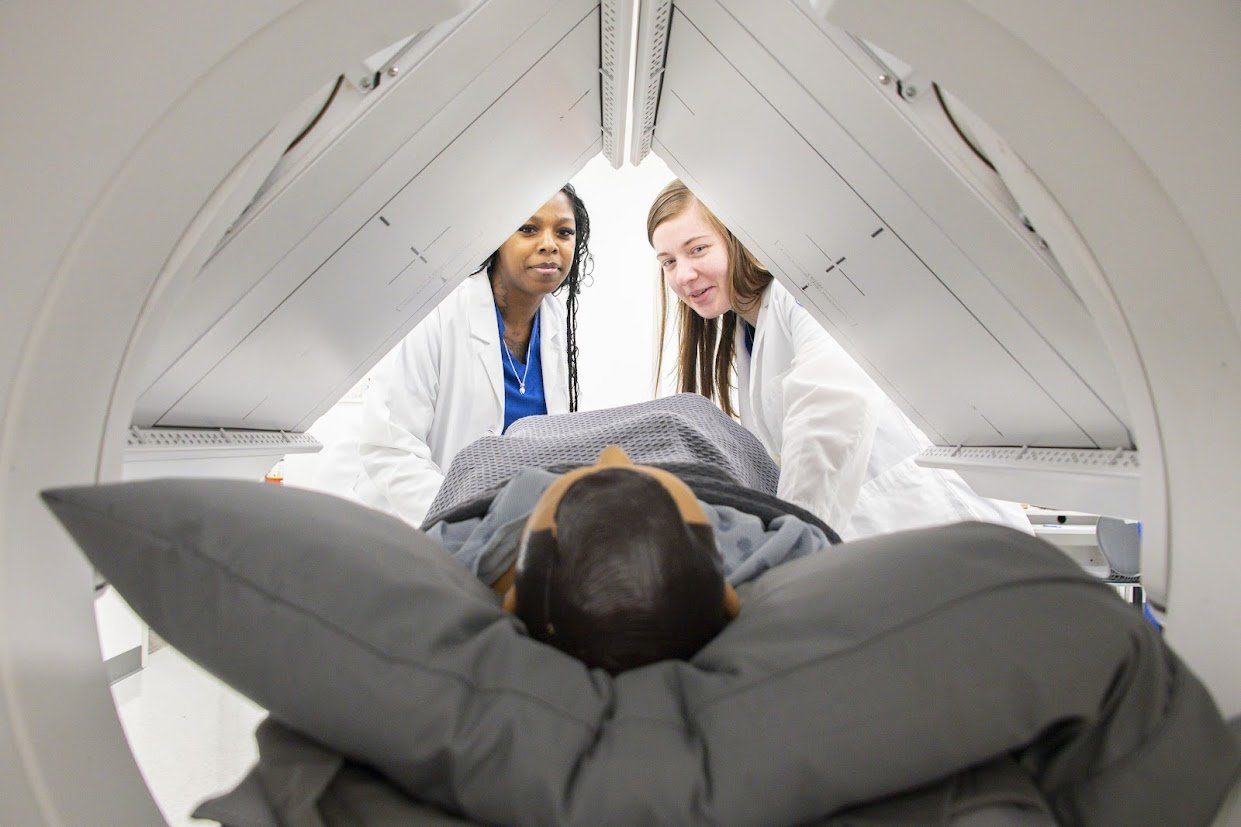
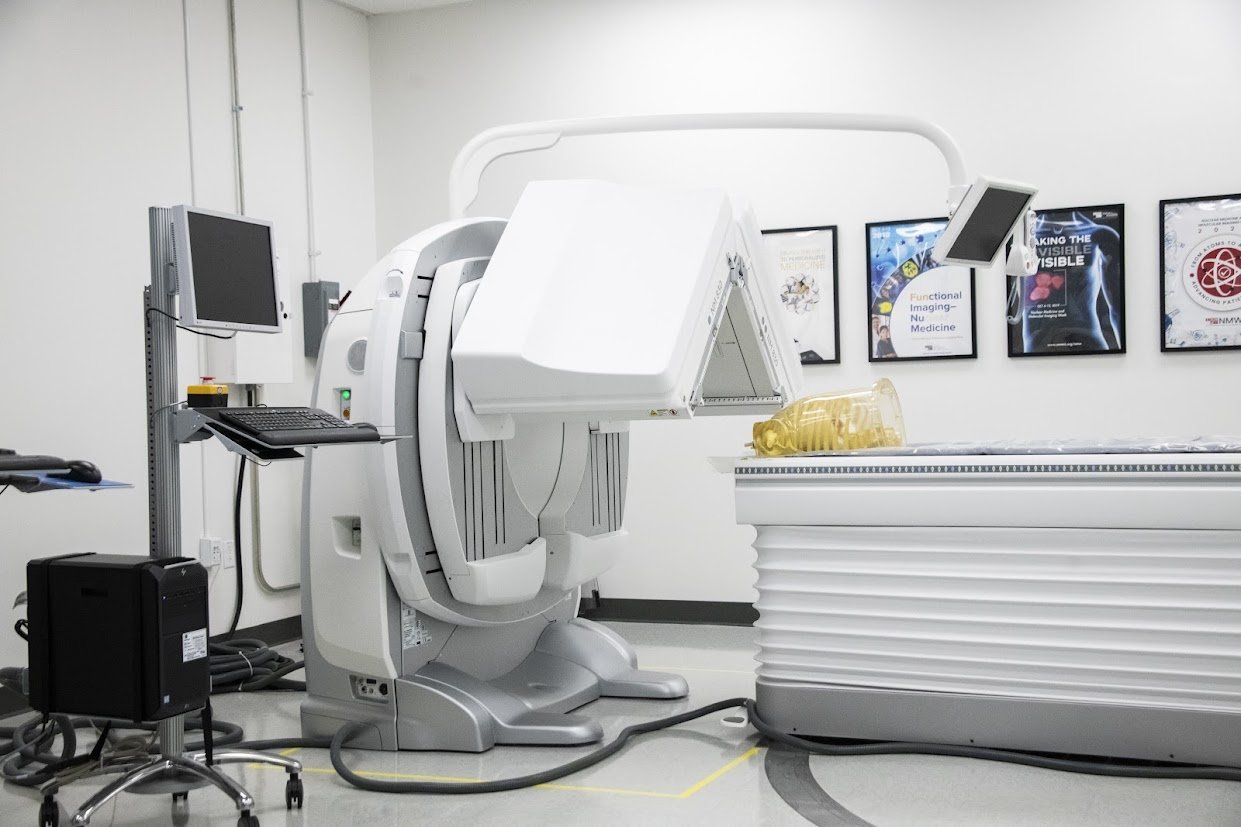
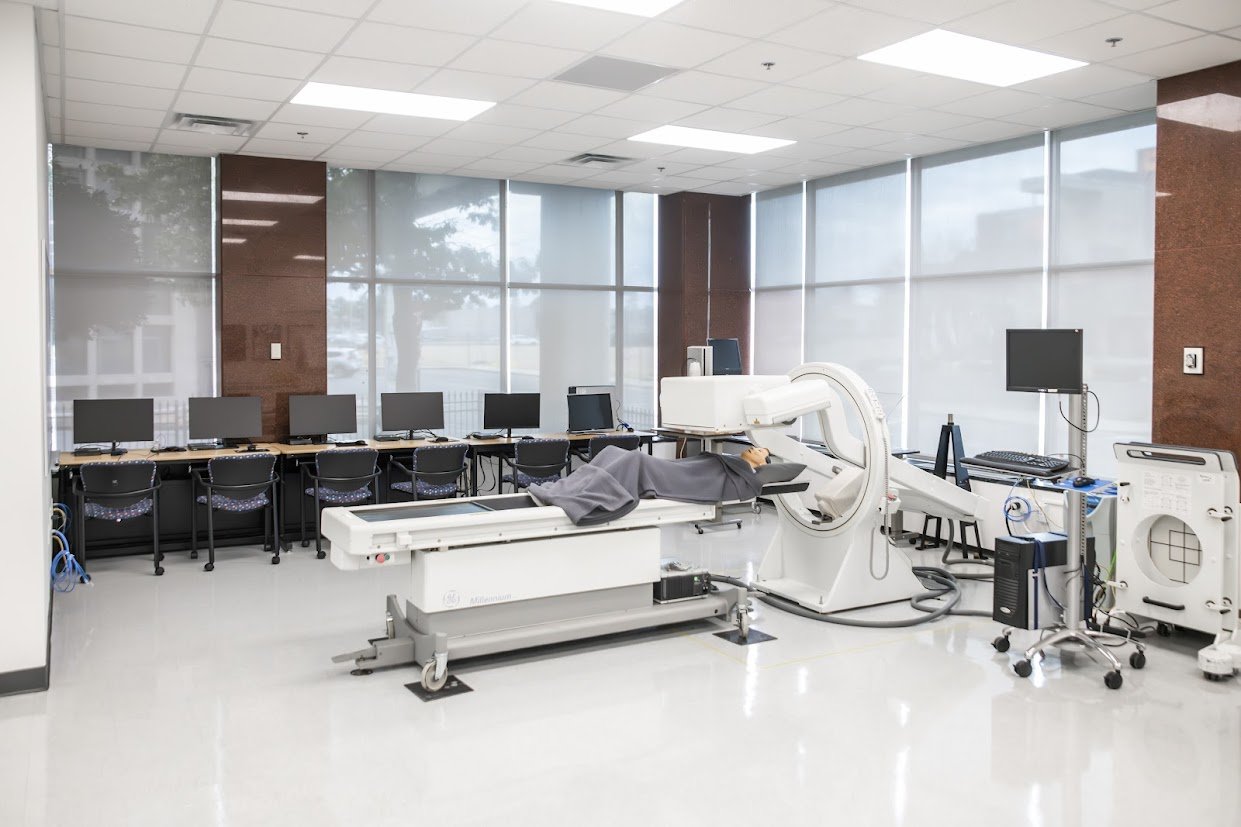
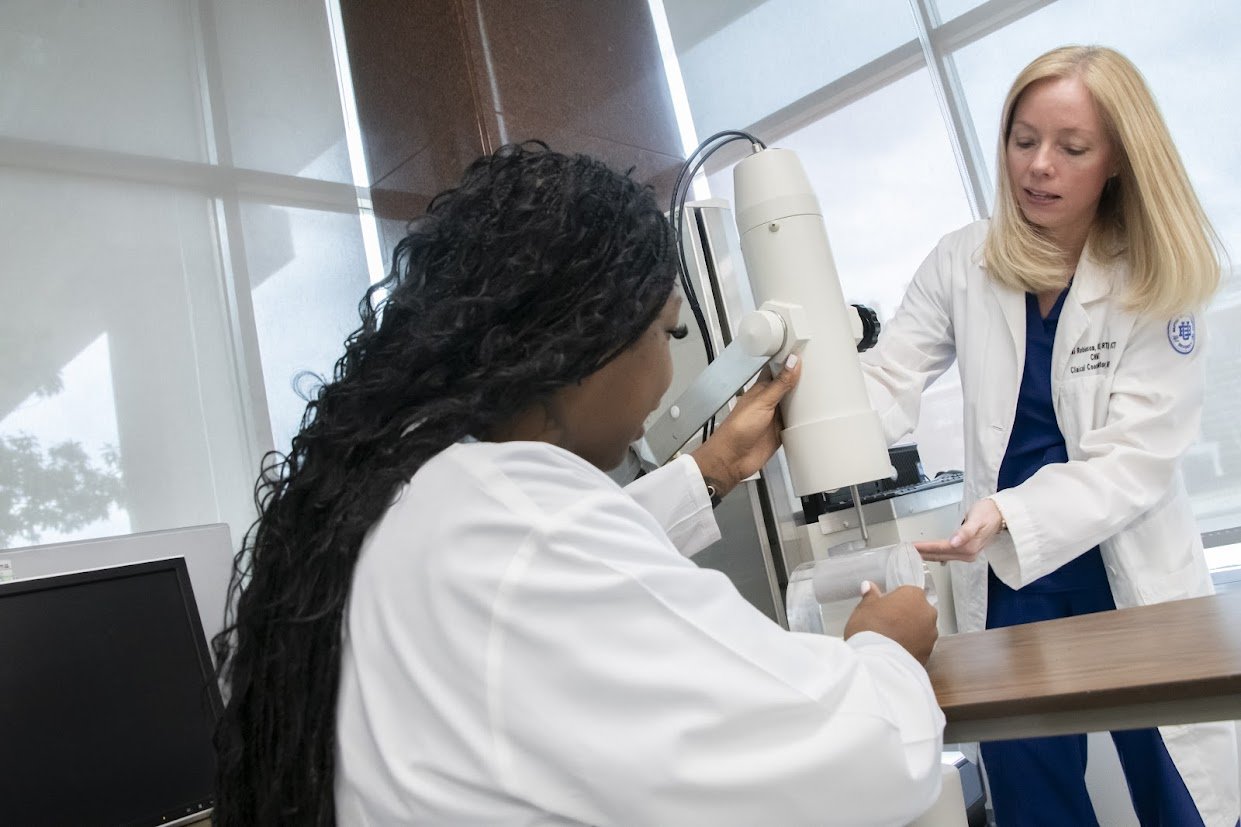
At Baptist University, we believe excellence in health care education begins with meaningful, hands-on experience. That commitment is now stronger than ever in our Nuclear Medicine Technology program with the installation of a new dual-head GE 830 Gamma Camera and five Xeleris™ V processing workstations—an investment that significantly enhances clinical-grade training for our students.
A Vision Realized
For years, the Nuclear Medicine Technology lab operated in the Annex building, where space was limited. The opportunity for growth came when the University acquired 20 S. Dudley—now known as the Collaboration Building. With generous capital support from Baptist Memorial Hospital and Baptist Memorial Health Care Corporation.
The renovation included demolition, ceiling removal, and major electrical and plumbing upgrades. Today, the reimagined space features a dedicated classroom, a spacious laboratory, a new hot lab, a debriefing room, and expanded storage—creating an environment designed for immersive, student-centered learning.
During the transition, essential equipment from the original lab was carefully relocated, including a refurbished single-head gamma camera purchased in 2008. The University’s maintenance team expertly managed the move of several large and highly sensitive items—among them a lead-lined cabinet weighing more than 1,000 pounds.
Additional equipment was generously donated by several Baptist Memorial Hospital nuclear medicine departments as they upgraded their clinical technology. Their partnership ensures our students are learning on equipment aligned with today’s professional practice standards.
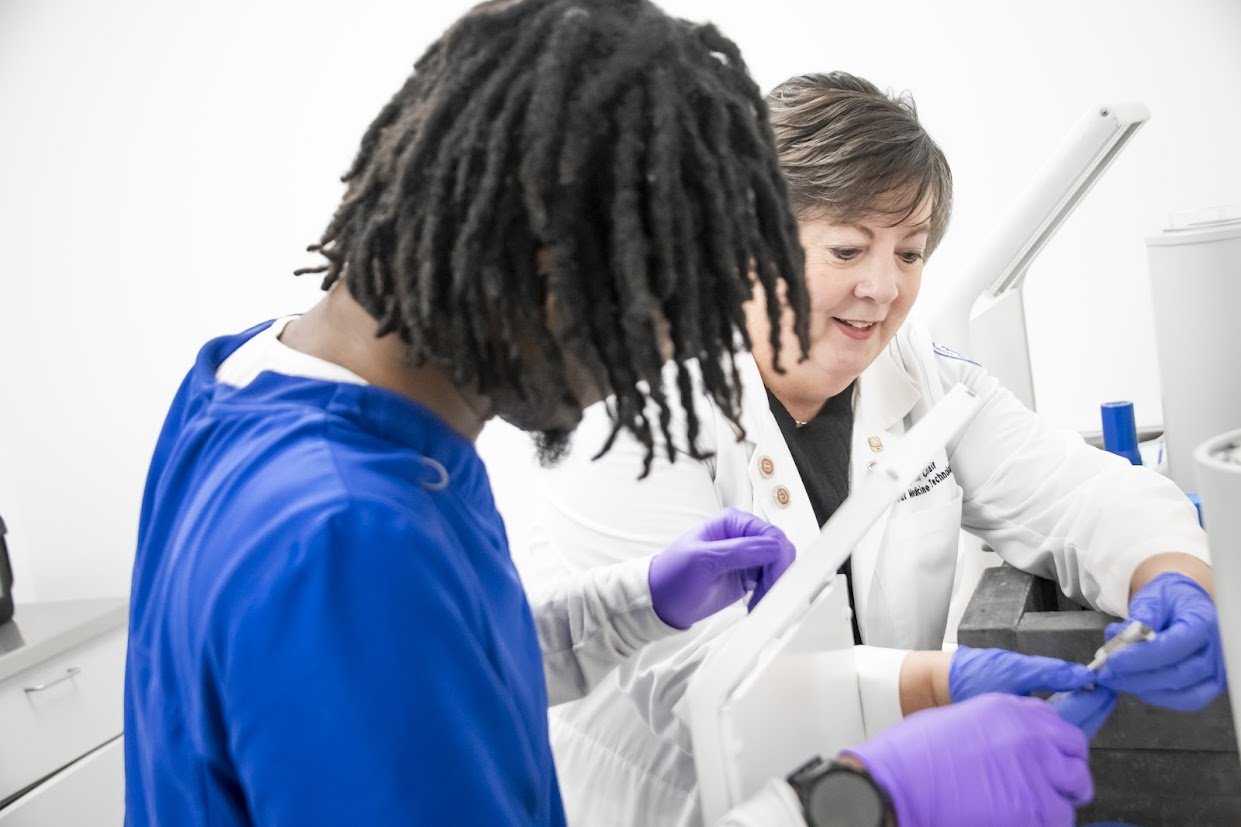
Further enhancements were made possible through grant funding from the Blue Healer Student Success Center, which provided a venipuncture training arm, replacement phantom components, and materials for a simulation radionuclide therapy station.
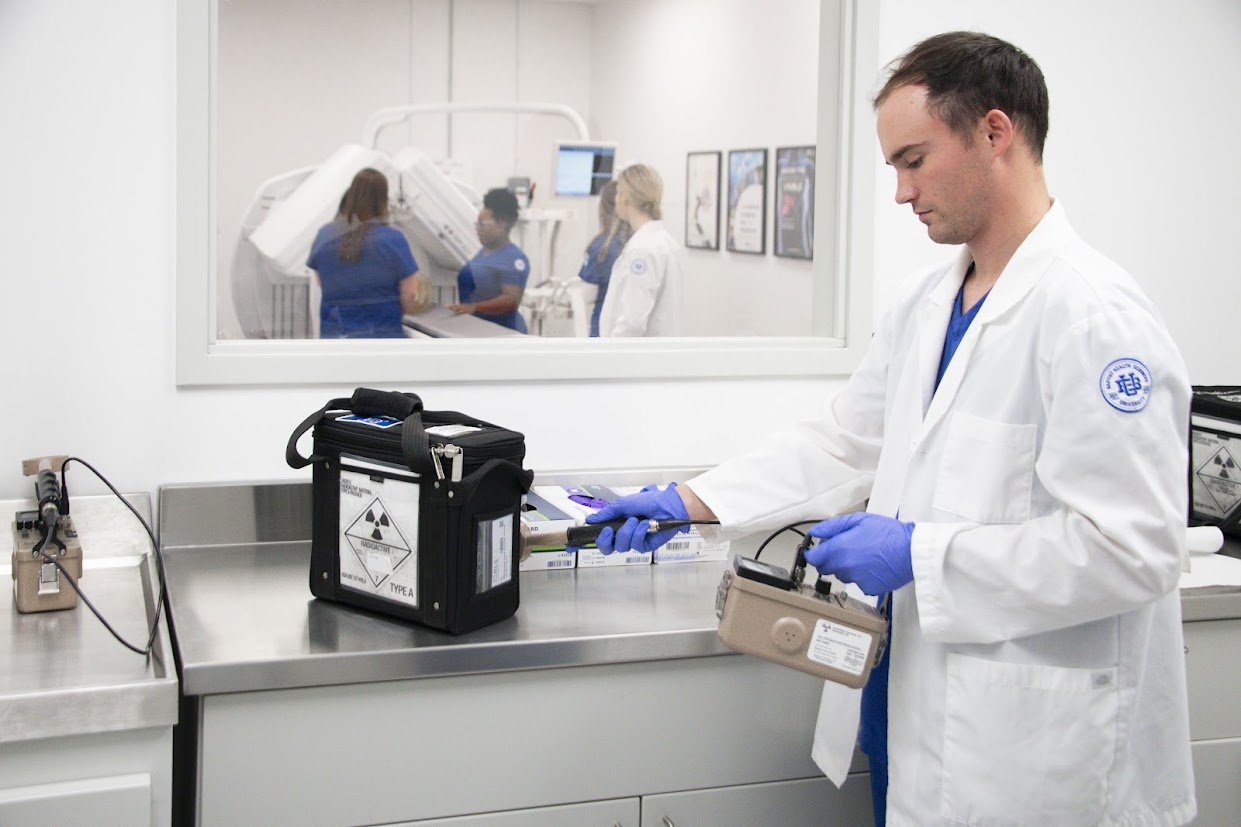
Support from the Baptist Health Care Foundation—through the Dr. John Rockett Nuclear Medicine Fund—also made it possible to purchase a Co-57 flood source, an essential tool for verifying gamma camera performance and ensuring optimal image quality.
Why It Matters
The upgraded lab also features a dedicated radionuclide therapy station, giving students the opportunity to practice therapeutic procedures used in nuclear medicine and gain experience with targeted internal radiation therapy.
“Our new lab gives students hands-on experience with the same cutting-edge technology used in today’s clinical setting—building their skills, confidence, and critical thinking as they prepare to become entry-level nuclear medicine technologists,” said Program Chair and Baptist alumna Donna Mars.
This investment reflects our mission: to prepare graduates who serve with competence, compassion, and excellence. By training in an environment that mirrors real-world clinical settings, our students are equipped not only with technical knowledge, but with the confidence to deliver high-quality patient care from day one.
Understanding the Technology
What is a Gamma Camera?
A gamma camera is a specialized imaging system used in nuclear medicine to visualize how organs function at the cellular level. After a small amount of radioactive tracer is administered to a patient, the camera detects the emitted energy and converts it into detailed diagnostic images. These images help physicians assess organ function, detect disease, and guide treatment decisions.
What is Xeleris™ V?
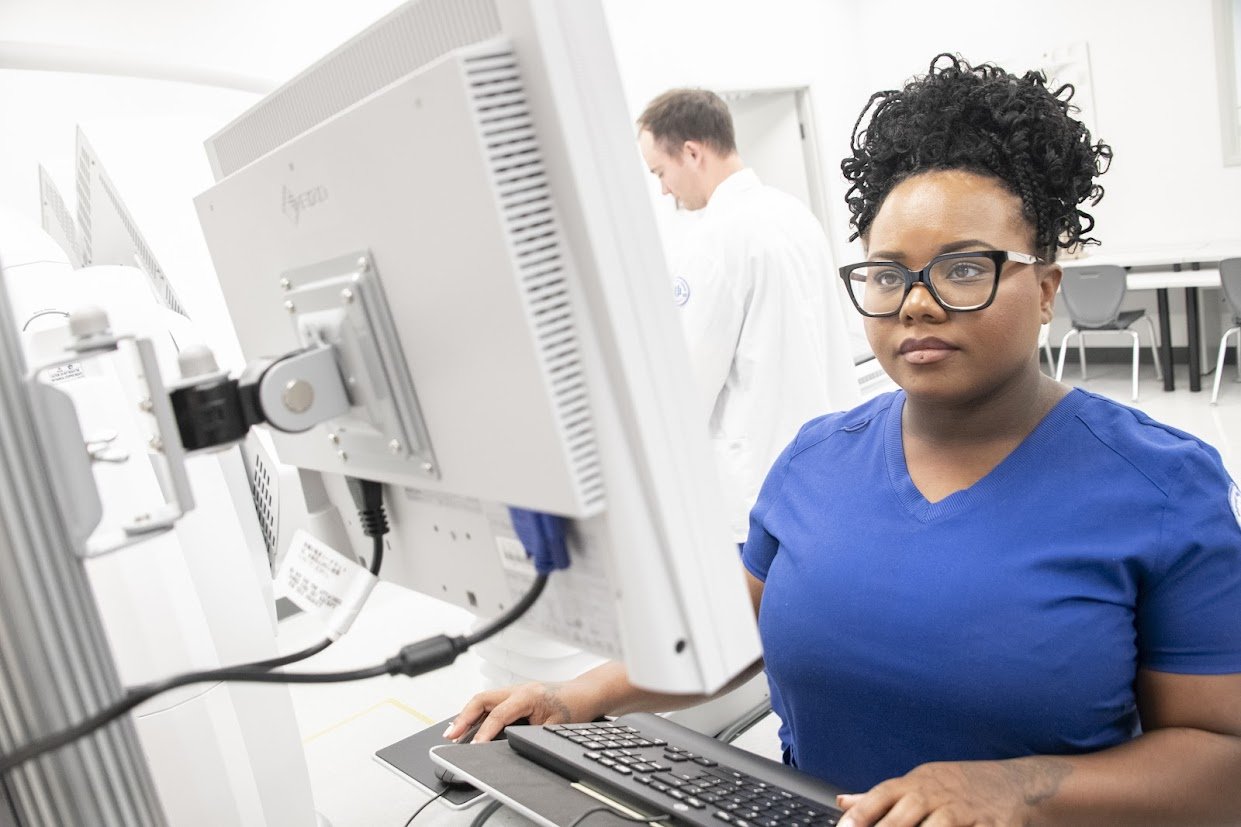
Xeleris™ V is advanced imaging software used to analyze, reconstruct, and display data acquired from the gamma camera. In our lab, five dedicated workstations are networked to a central server, giving students hands-on experience with the same powerful clinical imaging platform used in hospitals and health systems nationwide.
The new Nuclear Medicine classroom was also equipped with updated instructional technology to support dynamic teaching, clear content sharing, and hybrid learning. The space was designed to create a more engaging environment for students and faculty by improving audio, video, and presentation capabilities for both in-person and remote instruction. Additional technology is planned for the Nuclear Medicine lab spaces and is expected to further enhance instructional use by summer 2026.
With expanded space, upgraded technology, and strong community support, Baptist University’s Nuclear Medicine Technology program continues to advance its commitment to excellence—preparing students to step confidently into careers that make a difference in the lives of patients and families.
At Baptist University, we believe excellence in health care education begins with meaningful, hands-on experience. That commitment is now stronger than ever in our Nuclear Medicine Technology program with the installation of a new dual-head GE 830 Gamma Camera and five Xeleris™ V processing workstations—an investment that significantly enhances clinical-grade training for our students.